This article delves into the dynamics of electromobility, focusing on the innovations transforming how we perceive transportation. Electromobility refers to the use of electric vehicles as a means of reducing reliance on fossil fuels. The increasing adoption of electromobility is shaping an environmentally conscious future, with significant implications for urban development and human well-being.
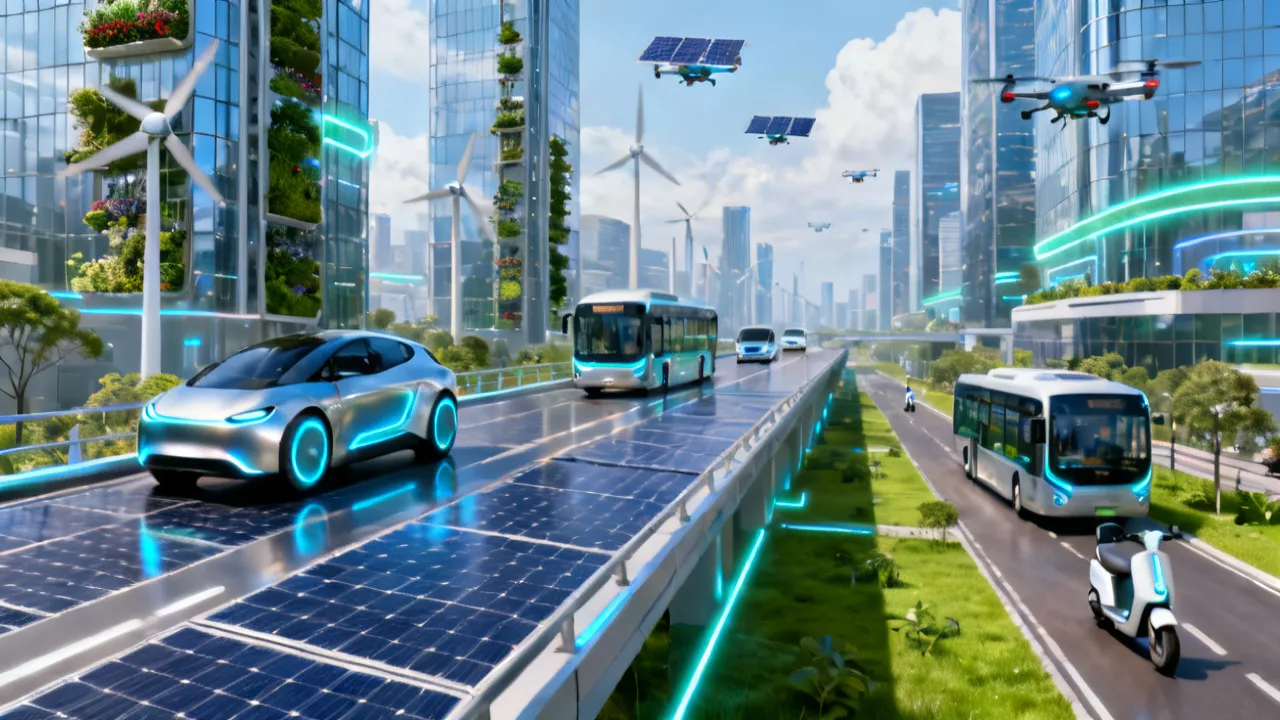
As the world shifts toward sustainable energy solutions, electromobility has emerged as a leading force in transforming transportation systems. The term encompasses a wide range of electric-powered vehicles, including cars, buses, bikes, and trains, that contribute to reducing greenhouse gas emissions and dependency on fossil fuels. The pressing need to combat climate change and transition from fossil fuel dependency has placed electromobility at the forefront of public policy and individual consumer decision-making. This is a paradigm shift in transportation, with electric vehicles (EVs) offering not only an alternative mode of movement but also a holistic shift towards smarter urban development.
From its early inception in the late 19th century, electromobility has undergone significant evolution. The initial interest in electric propulsion was overtaken by the internal combustion engine due to limitations in battery technology and infrastructure. However, the resurgence of electromobility since the late 20th century has been fueled by advancements in battery compositions, such as lithium-ion technology, and a growing awareness of climate change. Early electric cars like the Baker Electric and the Detroit Electric were popular choices around the turn of the 20th century, primarily for urban commuting. Yet, as gasoline became more accessible and affordable, the electric vehicle market dwindled until recent innovations brought about a renaissance.
As the 21st century commenced, several factors rekindled interest in electric mobility. The escalation in fuel prices, coupled with increasing consumer awareness of the environmental impacts of traditional fuel sources, has played a significant role. Furthermore, the development of policies such as tax incentives for electric vehicle purchases, government-funded research into green technologies, and the establishment of environmental regulations have supported the electrification movement. The global automotive industry is currently witnessing a profound transformation, shifting its production lines towards electric and hybrid technologies to meet increasing consumer demands and regulatory expectations.
The electrification of vehicles is underpinned by several technological advancements:
Electromobility offers numerous benefits for urban environments. By reducing air pollution, electric vehicles contribute to healthier cities and improved public health. The reduction of nitrogen dioxide (NO2) and particulate matter (PM) in urban areas is essential for preventing respiratory and cardiovascular diseases among the population. Additionally, quieter engine operation diminishes noise pollution, enhancing the quality of life in crowded urban areas. Cities around the world are beginning to implement policies that promote electric vehicles, including the establishment of low-emission zones and electric vehicle loan programs for public transportation.
The integration of electromobility into urban planning can lead to more sustainable city structures. Urban areas can be redesigned to accommodate electric buses, e-bikes, and shared mobility solutions, creating a synergistic effect that not only improves mobility but also reduces the need for extensive parking and lowers the carbon footprint of transport-related activities. The long-term envisioning of cities suggests a move towards “15-minute cities,” where all essential services are within a short walk or bike ride, significantly reducing the reliance on any vehicles, electric or otherwise, for daily commutes.
Despite the optimistic outlook, electromobility faces several challenges:
| Aspect | Traditional Vehicles | Electric Vehicles |
|---|---|---|
| Fuel Type | Petrol, Diesel | Electricity |
| Environmental Impact | High emissions | Lower emissions |
| Operation Cost | Higher | Generally lower |
| Maintenance | Regular (complex components) | Reduced (fewer moving parts) |
| Fuel Efficiency | Varies significantly | Higher efficiency, often measured in miles per kWh |
| Tax Incentives | Limited | Often eligible for incentives |
The future of transportation is intrinsically linked to the development and adoption of electromobility. As cities worldwide strive for sustainability, continuing advancements in technology, infrastructure, and policy support will be vital in realizing the full potential of electric vehicles. Stakeholders from diverse sectors need to collaborate to overcome existing challenges and progress towards a cleaner, greener future.
For electromobility to flourish, various stakeholders play crucial roles in the ongoing transition. These include governments, automobile manufacturers, technology companies, energy providers, and consumers. Collaboration among these entities can accelerate the pace of innovation, create comprehensive charging infrastructures, and stimulate market adoption. Government legislation and incentives help level the playing field for electric vehicles, making them a more appealing option for consumers and businesses alike.
Automakers, too, have a responsibility to innovate by investing in research and development of new technologies that enhance battery performance, safety, and cost-effectiveness. Partnerships with tech companies allow for the integration of smart technologies in vehicles to improve user experience and vehicle diagnostics. Meanwhile, energy providers can explore scalable solutions to produce renewable electricity, ensuring that the growing demand for EV charging is met sustainably.
Electromobility is a global trend, with different regions adopting electric technologies at varying rates. Countries in Europe, such as Norway and the Netherlands, have taken the lead in promoting electric vehicle adoption through extensive incentives and charging infrastructure. Norway, for example, has one of the highest proportions of electric cars per capita, significantly aided by tax exemptions and free public charging facilities.
In contrast, regions like the United States have a more mixed approach. While states like California have stringent emission regulations and provide substantial rebates for EV purchasers, others lag behind in infrastructure development. The varying levels of commitment and investment from governments across the globe illustrate the importance of policy frameworks in shaping the future landscape of electromobility.
Looking towards Asia, countries such as China are set to dominate the market with their aggressive policies promoting electric vehicles. The Chinese government has invested heavily in the production of electric cars, resulting in rapid growth of both consumer and commercial electric vehicle usage. With initiatives aimed at reducing air pollution in major cities and increasing energy security through less reliance on fossil fuels, China presents a comprehensive case study for the global transition to electromobility.
As the sector evolves, a plethora of innovations are expected to emerge, enhancing the viability and attractiveness of electric vehicles. The continuous advancements in battery technology, such as the development of faster-charging batteries and the potential for alternative materials like sodium-ion batteries, herald a new wave of electric mobility. Innovations in autonomous driving technologies will also redefine the driving experience, offering solutions that not only improve safety but also optimize route planning to further minimize energy consumption.
Shared mobility services are also set to transform urban transportation significantly. Car-sharing and ride-hailing services utilizing electric vehicles offer a way to reduce individual vehicle ownership, thereby decreasing overall traffic congestion and environmental footprint. This trend towards shared mobility complements the broader goals of sustainability and efficiency in urban planning.
Educating consumers about the benefits, functionalities, and technologies associated with electric vehicles plays a crucial role in accelerating their adoption. Awareness campaigns can demystify common misconceptions regarding electric vehicles, such as charging times and range capabilities. Providing transparent data on the total cost of ownership, including long-term savings through lower running and maintenance costs, can also influence consumer choices and foster confidence in transitioning to electric mobility.
Furthermore, dealerships and manufacturers can play a role by offering comprehensive information sessions and test-driving opportunities to potential buyers. As consumers become more familiar with electric mobility solutions, the demand for these vehicles is expected to rise, perpetuating a positive cycle of growth and innovation in the sector.
The trajectory towards a fully electrified transportation status quo is riddled with challenges but is equally filled with opportunities for innovation and sustainable growth. The collaboration between governments, businesses, and consumers is vital to navigate this transition successfully. As technological advancements unfold and barriers are dismantled, electromobility could lead the charge towards a cleaner, more sustainable future. The commitment to reducing our carbon footprint, enhancing urban living conditions, and creating a robust electric vehicle infrastructure will ensure electromobility is not just a trend but a lasting solution to today's pressing environmental and societal challenges.
Unveiling Truck Fleets Near Me

Managing Efficient Truck Fleets Nearby

Understanding Truck Fleets Nearby

Understanding Truck Fleets Nearby

Navigating Truck Fleets Nearby

Navigating Truck Fleets Nearby

Navigating Truck Fleets Nearby

Understanding Truck Fleets Near Me

Navigating Truck Fleets Nearby
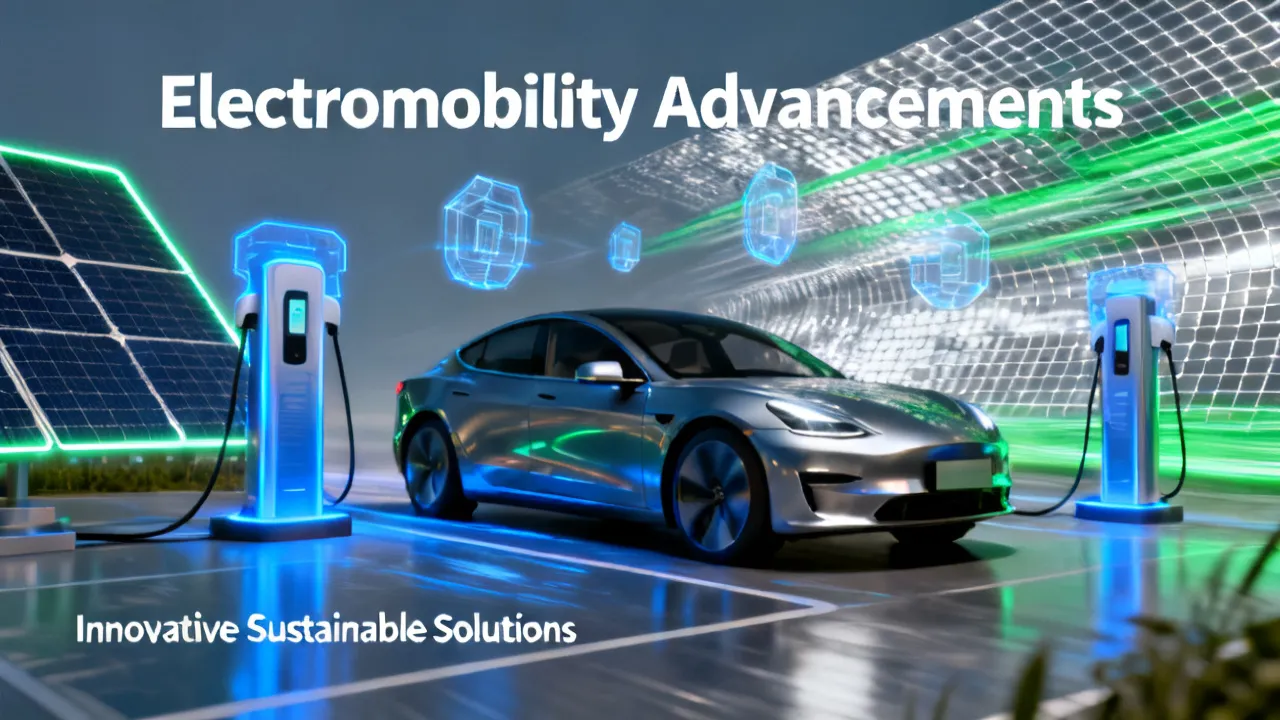
Understanding Electromobility Enhancements
Electromobility, as explored through Electromobility Wikipedia, represents the shift towards using electric power in transportation systems, featuring electric vehicles (EVs) and supporting infrastructure. The evolution of electromobility includes a focus on sustainability, technological progress, and its implications for the future of transport. This article delves into the nuances and significance of electromobility in today's world.
Understanding Electromobility Concepts
Electromobility refers to the use of electric-powered vehicles, which have become a cornerstone of modern transportation solutions. With its potential to significantly reduce carbon emissions and reliance on fossil fuels, electromobility is increasingly capturing public and policy interest. This article provides an in-depth analysis of electromobility, its impact on the transportation sector, and key considerations.
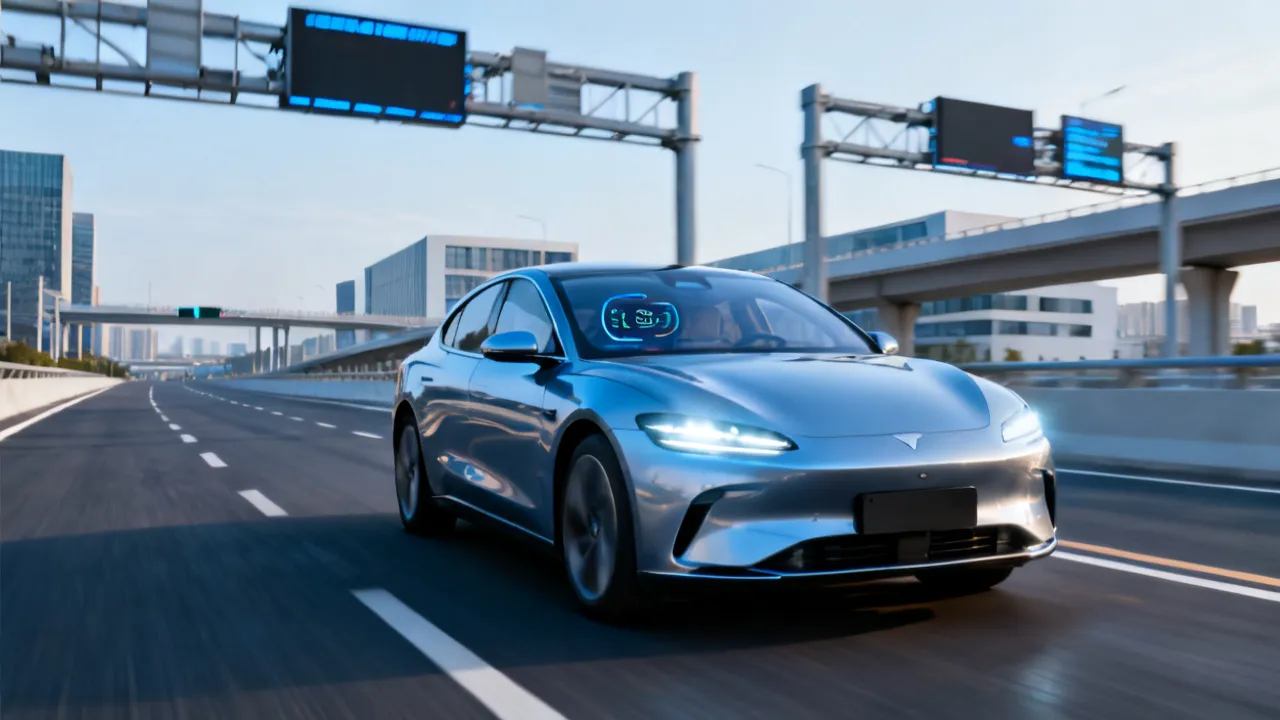
The Rise of Electromobility
Electromobility is transforming transportation by encouraging the shift from traditional vehicles to electrically powered ones. This shift is driven by growing environmental concerns and advancements in electric vehicle technology. Fundamentally linked with the information and resources available on Wikipedia, electromobility represents a pivot towards greener energy solutions in the transportation sector.
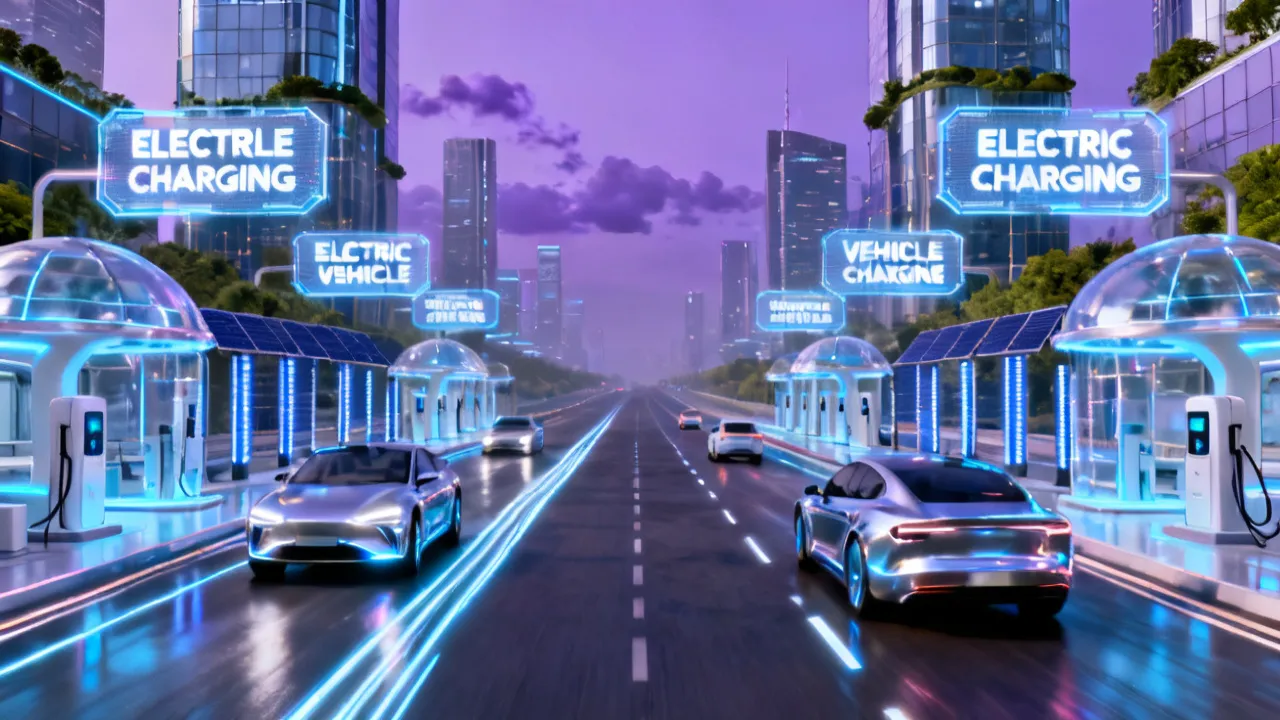
Understanding Electromobility's Impact
Electromobility Wikipedia offers a comprehensive examination of the shift from traditional transportation means to electric-powered solutions. As cities and industries worldwide embrace sustainable practices, electromobility emerges as a key player in reducing carbon emissions, fostering innovation, and redefining the future of transportation systems.
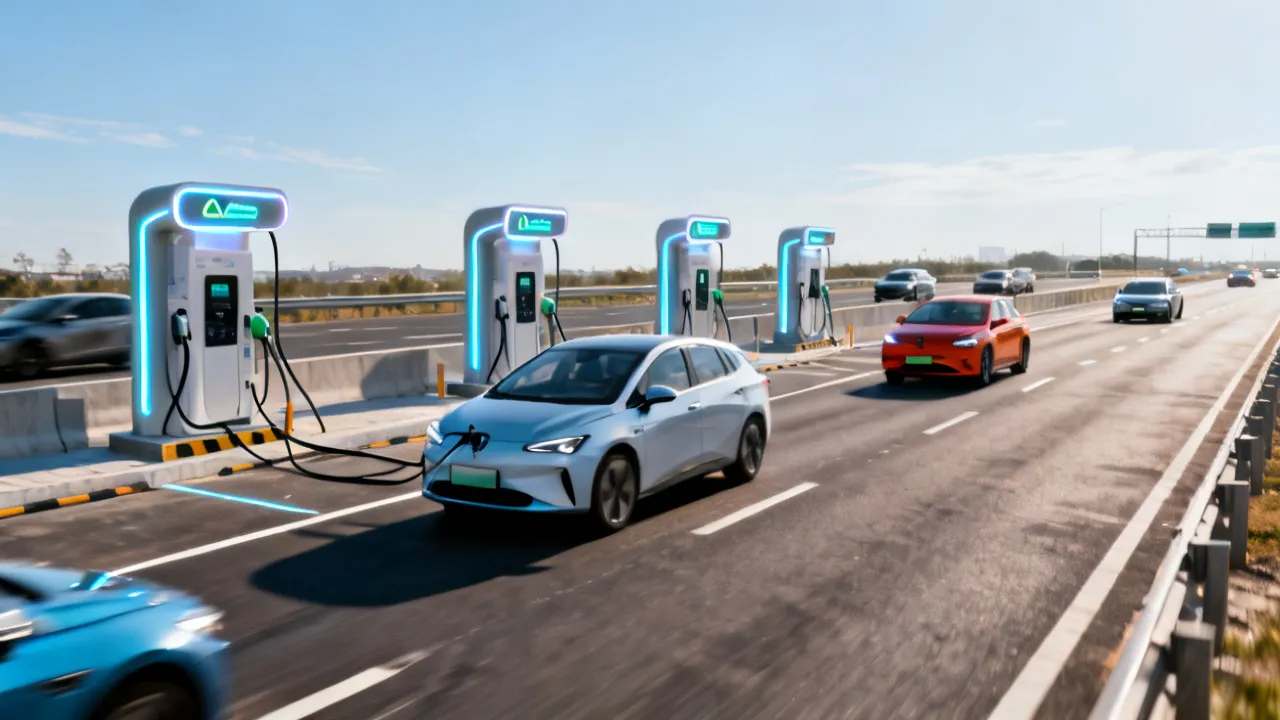
Unveiling Electromobility's Impact and Insights
Electromobility represents a transformative shift in transportation, emphasizing the use of electric vehicles (EVs) powered by electricity rather than traditional fossil fuels. As the demand for more sustainable modes of transport grows, electromobility has gained significant attention for its potential in reducing carbon footprints and advancing technological innovations in automotive industries globally.
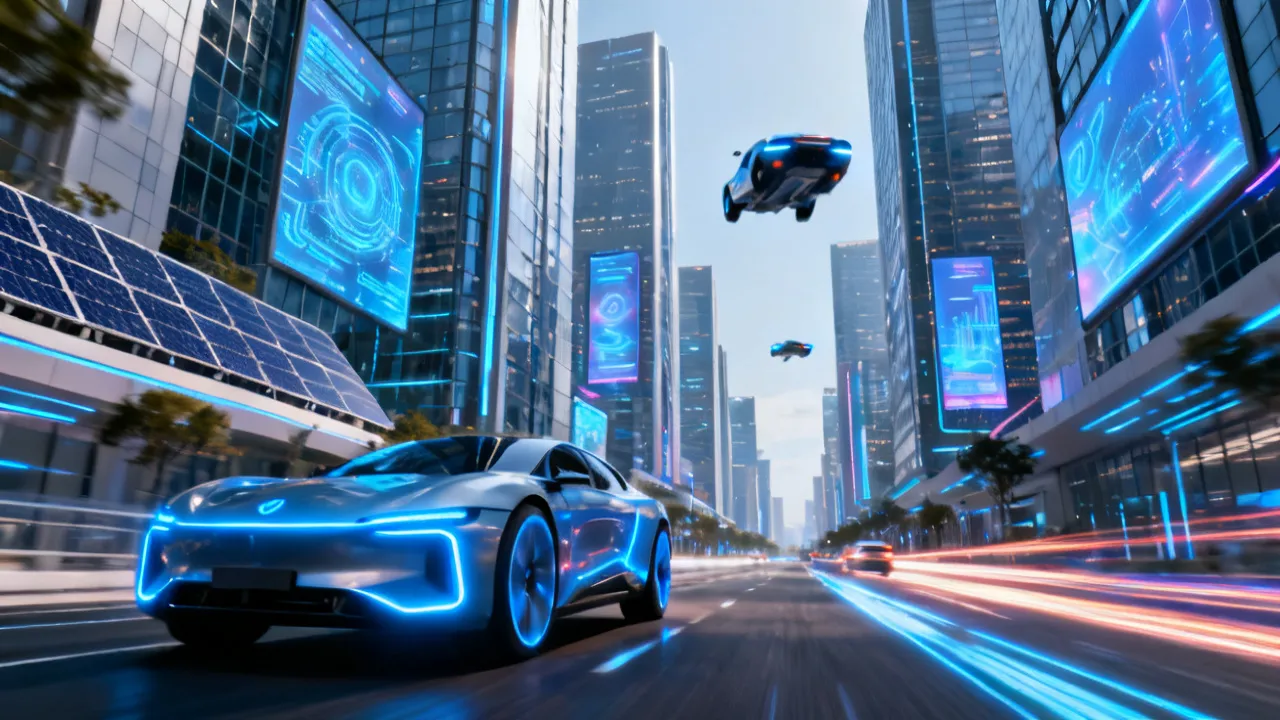
Understanding Electromobility: A Comprehensive Guide
This article delves into the world of electromobility, a salient trend in contemporary transportation aimed at reducing greenhouse gas emissions. Electromobility refers to the use of electric vehicles (EVs) and the associated infrastructure, explaining its rising significance. By exploring its features and challenges, this guide offers an in-depth understanding of electromobility’s potential impact on global travel dynamics.